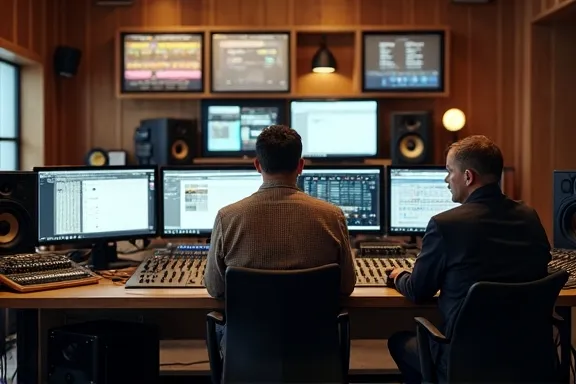
The world of radio has undergone tremendous transformation since its inception. From crackling AM signals to high-definition FM broadcasts and streaming online radio, the evolution of this medium reflects technological advancements and changing listener preferences. Understanding this journey can provide insights into the future of radio and its continuing relevance in our lives.
The Birth of Radio Technology
The origins of radio can be traced back to the late 19th century. Pioneers like Guglielmo Marconi and Nikola Tesla experimented with electromagnetic waves, leading to the first successful transatlantic radio transmission in 1901. This innovation laid the groundwork for what would become a global medium for communication and entertainment.
The first commercial radio broadcasts began in the early 1920s. KDKA in Pittsburgh, Pennsylvania, is often credited as the first radio station to broadcast a regular schedule of programming, which included music, news, and sports. The invention of the vacuum tube allowed for better amplification and reception, making it possible for stations to reach a wider audience.
The Golden Age of Radio
The 1930s to the 1950s is often referred to as the "Golden Age of Radio." During this era, radio became a staple in American households. Popular programs featured dramas, comedies, and variety shows. Famous shows like "The Shadow" and "The Adventures of Sherlock Holmes" captivated millions of listeners.
Radio served as a vital source of information, particularly during World War II. President Franklin D. Roosevelt’s "Fireside Chats" exemplified the power of radio, as he communicated directly with the American people in a time of uncertainty. This direct line of communication built trust and solidarity among citizens.
The Rise of FM and Diversity in Programming
In the 1960s, FM (Frequency Modulation) radio emerged as a more reliable alternative to AM broadcasting. FM offered superior sound quality and allowed for more varied programming. As a result, the late '60s and '70s saw the rise of rock and roll radio stations, which played a significant role in shaping popular music culture.
The introduction of the transistor radio in the 1950s made radio portable and accessible, enabling listeners to take their favorite stations with them wherever they went. This portability contributed to the diversification of programming, including niche genres and talk radio. As a result, various voices found a platform to reach audiences, from local news to specialized content.
The Impact of Digital Technology
The late 1990s and early 2000s marked the onset of the digital revolution, affecting all forms of media, including radio. With the advent of the internet, streaming services began to emerge, offering listeners the ability to tune in to stations from around the globe. Podcasts also gained popularity, creating an explosion of content that catered to nearly every interest imaginable.
Digital radio, including DAB (Digital Audio Broadcasting), offered new opportunities for broadcasters, improving sound quality and providing a greater variety of channels. As of 2023, nearly half of all radio listening in the U.S. occurs through digital means, reflecting the changing habits of consumers who increasingly seek on-demand content.
The Future of Radio
Despite the rise of digital and on-demand media, traditional radio remains resilient. Factors such as the personal, local feel of radio and the ease of tuning in while driving contribute to its enduring popularity. However, the medium must adapt to thrive in the modern landscape.
One significant trend is the integration of radio with smart devices and voice-activated assistants. Technologies like Google Home and Amazon Echo allow users to access their favorite radio stations or podcasts simply by voice commands. This trend presents exciting opportunities for radio stations to engage with listeners in new ways.
The growth of user-generated content and social media also influences the future of radio. Many stations now incorporate listener feedback and interaction into their programming, creating a more community-oriented experience. Moreover, streaming platforms are increasingly partnering with broadcasters to expand their reach.
Conclusion
The evolution of radio illustrates the adaptability of this medium over the last century. From its roots in early 20th-century technology to its integration into the digital age, radio continues to play a vital role in the communication landscape. As we look ahead, radio is poised to embrace new technologies and audience trends, ensuring that it remains a relevant and cherished part of our lives for generations to come.
For more information about the history of radio, you can visit NPR's History of Radio. For a closer look at the technology behind radio broadcasting, check out Wikipedia's Radio Technology. If you're interested in the future of media, the Pew Research Center offers valuable insights into the evolving landscape of communication.