
The Evolution of Radio: A Journey Through Time and Technology
By Kenji Dubois · · 4 min read
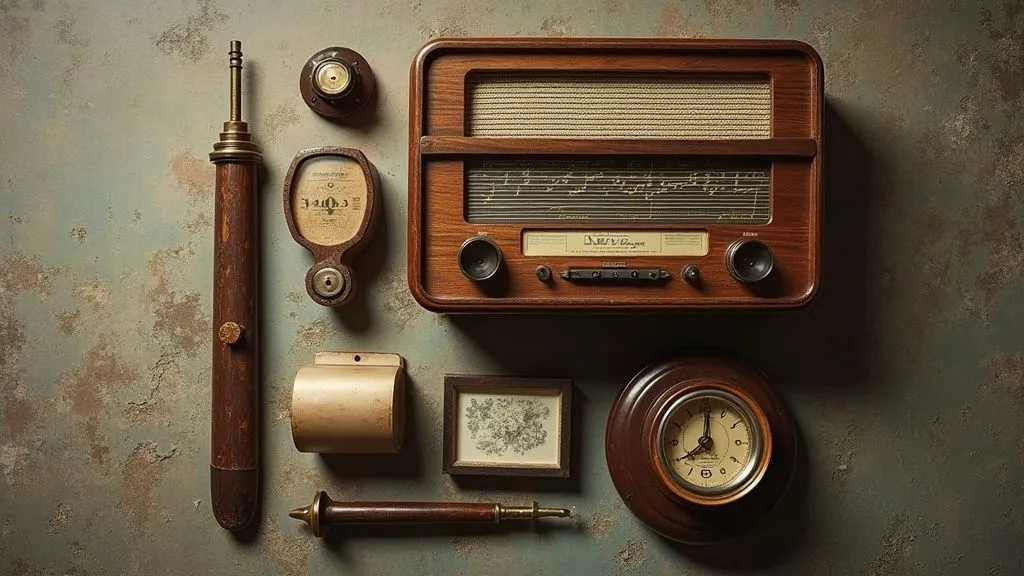
Radio has been a cornerstone of communication for over a century, evolving remarkably from its nascent beginnings. It has transitioned from a basic broadcasting medium to a complex digital platform that caters to diverse audiences worldwide. This article explores the fascinating evolution of radio, the technology behind it, and its role in contemporary society.
The Beginnings of Radio
The history of radio dates back to the late 19th century, when inventors like Guglielmo Marconi and Nikola Tesla pioneered wireless communication. Marconi is credited with sending the first wireless transmission across the Atlantic in 1901, marking a significant milestone in radio technology. Early radio waves were primarily used for telegraphy, allowing ships at sea to communicate with each other and with shore stations.
The Rise of Broadcasting
The 1920s ushered in the era of broadcasting as radio stations began to emerge. The first commercial radio station, KDKA in Pittsburgh, started transmitting in 1920, paving the way for what would become a major form of entertainment and information dissemination. This period was characterized by live music, news broadcasts, and early talk shows, captivating millions of listeners.
By the 1930s, radio had become a household staple. The introduction of the vacuum tube allowed for better sound quality and the development of AM (Amplitude Modulation) and later FM (Frequency Modulation) broadcasting further enhanced the listening experience. Radio became an essential tool for public communication, particularly during significant events like World War II, when it served as a primary source of news and updates.
The Technological Advancements
As technology advanced, so did radio. The introduction of transistors in the 1950s revolutionized the industry, making radios smaller, more affordable, and more portable. This change allowed radio to reach audiences in new ways, leading to the creation of car radios and eventually personal portable devices.
The Shift to FM and Stereo
The switch from AM to FM broadcasting in the 1960s marked another significant evolution in radio technology. FM radio offered clearer sound quality and reduced interference, making it preferable for music broadcasting. The introduction of stereo sound further enhanced the listening experience, especially for music enthusiasts.
As technology continued to evolve, the introduction of digital radio in the late 1990s provided listeners with better quality sound and more channels. Digital Audio Broadcasting (DAB) and Internet radio emerged, allowing users to stream content from anywhere in the world. This digital shift not only diversified the programming but also enabled niche stations to reach specific audiences.
The Role of Radio in Modern Society
Today, radio plays a multifaceted role in society. It remains a vital source of news and information, particularly in areas where internet access is limited. According to the Pew Research Center, radio continues to be an important medium for local news, weather updates, and emergency broadcasts.
The Power of Community Radio
Community radio stations have emerged as significant players in the radio landscape. These stations are often run by volunteers and focus on local content that reflects the interests and needs of their communities. They are crucial for promoting local artists, discussing community issues, and providing a platform for underrepresented voices. The National Federation of Community Broadcasters highlights the role of community radio in fostering civic engagement and promoting social change.
The Impact of Podcasts
In recent years, the rise of podcasts has transformed the audio landscape, allowing individuals to create and share content easily. While podcasts are not traditional radio broadcasts, they share many similarities, including storytelling and engaging narratives. The Edison Research noted a substantial increase in podcast consumption, indicating that audiences continue to seek audio content that resonates with their interests.
The Future of Radio
As radio continues to adapt to new technological advancements, its future looks bright. The integration of artificial intelligence and machine learning is beginning to shape how content is curated and delivered. Personalized playlists and tailored advertisements are becoming more common, enhancing the user experience.
Additionally, with the proliferation of smart speakers and voice-activated devices, listening habits are changing. Radio stations are now competing with streaming services, requiring them to innovate continuously to retain their audiences. The challenge lies in finding a balance between maintaining traditional values while embracing modern technology.
Radio’s Timeless Appeal
Despite the challenges posed by emerging platforms, radio’s appeal remains timeless. Its ability to connect people, create shared experiences, and deliver compelling stories is irreplaceable. This unique human connection is something that social media and other forms of communication often fail to replicate.
In conclusion, the evolution of radio is a testament to its resilience and adaptability. From its humble beginnings as a tool for wireless communication to its current status as a dynamic platform for entertainment and information, radio has proven itself to be an enduring medium. As it continues to evolve in the digital age, radio remains a vital part of our cultural fabric, ready to embrace whatever the future holds.