
The Evolution of Radio: A Journey through Time and Technology
By Kenji Dubois · · 5 min read
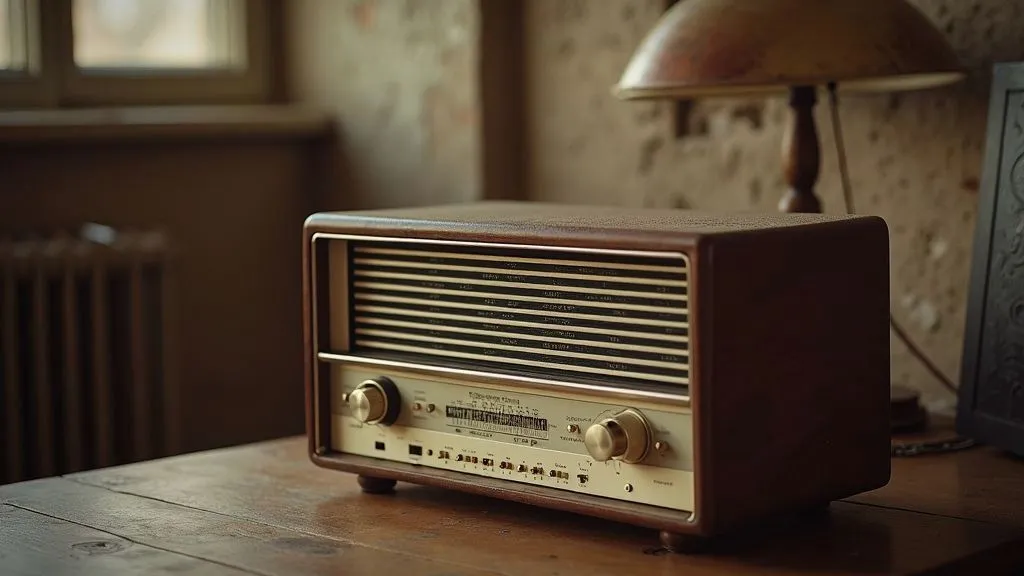
The history of radio is a fascinating tale of innovation, cultural shifts, and the power of communication. From its humble beginnings in the late 19th century to the multifaceted platform we know today, radio has played a significant role in shaping how we connect and convey information. This article delves into the milestones that have defined radio, highlighting its evolution and enduring impact on society.
The Beginnings of Radio Technology
The early experiments in wireless communication can be traced back to the late 1800s. Pioneers such as James Clerk Maxwell and Heinrich Hertz laid the theoretical groundwork for electromagnetic waves. It wasn’t until Guglielmo Marconi, in 1895, that the first successful wireless transmission occurred. Marconi’s work demonstrated the practical use of radio waves, allowing for long-distance communication. He is often credited as the father of radio, and his innovations led to the establishment of the first commercial radio station, which began broadcasting in 1906.
Marconi’s success sparked interest and investment in radio technology. The development of amplitude modulation (AM) in the early 20th century allowed for clearer transmission of sound, making radio a viable medium for entertainment and information sharing.
The Golden Age of Radio
The 1920s and 1930s marked what is often referred to as the “Golden Age of Radio.” During this period, radio became a staple in households across America and beyond. By 1922, there were over 500 radio stations in the United States, broadcasting news, music, and entertainment programs. The Federal Radio Commission, established in 1927, regulated the airwaves and helped manage the frequency spectrum, ensuring that radio remained a reliable source of information.
Cultural Impact
Radio quickly transformed into a powerful cultural force. With shows like “Amos ‘n’ Andy” and “The Shadow,” it not only entertained but also influenced public opinion. The medium provided a platform for voices that had previously been marginalized. African American entertainers found an audience, while radio dramas and live music performances brought the arts into everyday life.
Moreover, radio played a crucial role during significant historical events. In 1933, Franklin D. Roosevelt’s “Fireside Chats” used the medium to communicate directly with the American populace, fostering a sense of unity during the Great Depression. The immediacy of radio made it an invaluable tool during World War II, as it delivered updates and motivated troops and citizens alike.
The Transition to Television and FM
As television emerged in the late 1940s and early 1950s, radio faced a significant challenge. Viewership for television soared, and many radio stations struggled to retain their audiences. However, the introduction of frequency modulation (FM) radio opened up new avenues for programming. FM provided higher fidelity sound, making it ideal for music broadcasting.
The rise of FM radio led to the proliferation of music-focused stations, particularly in the 1960s and 1970s. Rock ‘n’ roll, jazz, and later, pop music dominated the airwaves, and DJs became influential cultural figures. Stations like KPPC in California and WNEW in New York City became hubs for the counterculture movement, showcasing new music and ideas that resonated with the youth of the time.
The Birth of Talk Radio
Another significant development in the radio landscape was the emergence of talk radio in the 1980s. Hosts like Rush Limbaugh and G. Gordon Liddy shifted the focus from music to discourse, allowing listeners to engage with political and social issues. This form of radio became a powerful platform for opinion and debate, shaping political conversations and encouraging civic engagement.
The Digital Revolution
The advent of the internet brought profound changes to the radio industry. In the late 1990s and early 2000s, streaming services began to emerge. Listeners could now access their favorite stations from anywhere in the world. This shift led to the rise of internet radio, podcasting, and on-demand audio content.
Terrestrial radio stations began to adapt, offering online streaming and creating podcasts to reach new audiences. As a result, shows that once had local followings found global audiences, allowing for a diversification of content and voices.
The Role of Social Media
Social media platforms have also played a pivotal role in the evolution of radio. Stations leverage platforms like Twitter, Facebook, and Instagram to engage with their audiences in real time. This interaction fosters a sense of community among listeners and provides opportunities for feedback and content sharing. The integration of social media has blurred the lines between traditional radio and modern communication methods, creating an interactive experience for audiences.
The Future of Radio
As we move further into the 21st century, the future of radio remains bright yet challenging. With the rise of smart speakers and voice-activated technology, listening habits are changing. Services like Spotify and Apple Music continue to dominate the audio landscape, offering personalized experiences that compete with traditional radio.
However, radio has shown remarkable resilience. Many stations continue to thrive by focusing on local content, community engagement, and niche programming. The intimate nature of radio allows for deep connections with listeners, something that streaming services may struggle to replicate.
Innovations on the Horizon
Emerging technologies, such as artificial intelligence and augmented reality, present new opportunities for the radio industry. AI can help curate playlists, personalize content for listeners, and even assist in creating compelling shows. Furthermore, augmented reality may bring new dimensions to radio, allowing for immersive storytelling experiences.
Conclusion
The history of radio is a testament to human ingenuity and the desire to connect. From its early experiments in wireless communication to the multimedia platform it has become today, radio has continually adapted to the changing technological landscape. It remains a vital medium for information, entertainment, and cultural exchange.
As we look ahead, radio will continue to evolve, maintaining its relevance in an increasingly digital world. Whether through traditional broadcasting or innovative new platforms, the essence of radio—as a powerful tool for connection—will undoubtedly endure. For more insights into the evolution of radio technology, you can explore resources like Wikipedia or the U.S. Library of Congress.