
Capturing Moments: The Essential Role of Photography in Radio Broadcasting
By Kenji Dubois · · 5 min read
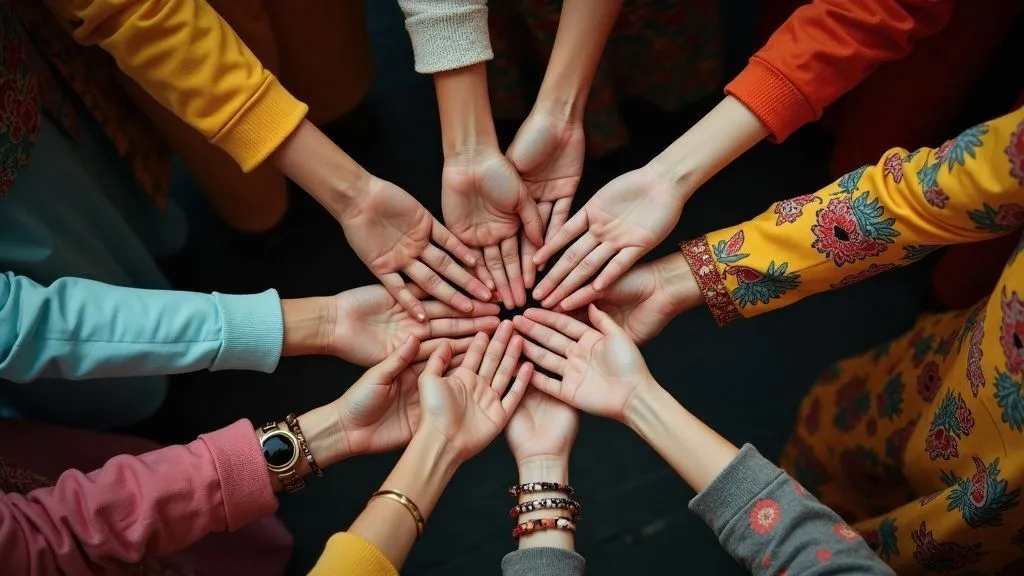
Photography has long played a pivotal role in the world of radio broadcasting, even though the medium itself is audio-focused. While listeners tune in for news, music, and discussions, it is often the compelling imagery associated with these broadcasts that enhances the overall experience. In this article, we will delve into how photography intersects with radio, illustrating its significance in promoting programs, visual storytelling, and audience engagement.
The Power of Imagery in Radio
In an era where visual content dominates social media and digital platforms, radio stations like Radio Victoria must adapt to an increasingly visual landscape. Photography serves as a powerful tool for capturing the essence of radio shows, events, and personalities. It’s not just about filling a website with pictures; it’s about using images to tell stories and connect with audiences.
Visual Branding
Photography is intrinsic to branding. For radio stations, visual branding goes beyond just a logo; it encompasses the entire aesthetic that the station projects to its audience. High-quality photographs of on-air personalities, studio sessions, and community events help create a distinct identity. This visual representation can make a station more relatable and appealing, inviting potential listeners to tune in.
A well-curated gallery of images can serve as a first impression for new listeners. If they see vibrant, engaging photographs that convey the atmosphere and spirit of the station, they are more likely to connect with it. This is particularly important for local stations, which thrive on community engagement. For instance, a photograph capturing a live broadcast from a local event can reinforce the station’s commitment to its community, fostering loyalty among listeners.
Telling Stories Through Photography
One of the most compelling aspects of photography is its ability to tell stories without words. Radio stations often host various events—concerts, fundraisers, and community outreach programs. These occasions are excellent opportunities for photographers to capture candid moments that reflect the station’s culture and values.
Consider a recent charity event hosted by Radio Victoria. A series of photographs showcasing the collaboration between the station staff, local artists, and community members can convey the station’s mission to give back. Each image tells a story: the joy of participation, the spirit of teamwork, and the impact of their efforts. This storytelling aspect can deepen the emotional connection with the audience.
Enhancing Social Media Engagement
In today’s digital age, social media is an essential avenue for radio stations to reach and engage with their audience. Platforms like Instagram, Facebook, and Twitter are not just for sharing updates; they are visual platforms that thrive on photography. A well-placed photograph can capture attention and lead to increased engagement.
For example, a behind-the-scenes photo of a popular DJ preparing for a show or a snapshot of a guest artist in the studio can intrigue followers. These images can spark conversations, inviting listeners to share their thoughts and experiences. Increased interaction on social media can translate to a larger audience tuning into the station.
The Role of Professional Photography
While anyone can take pictures with a smartphone, professional photography adds a level of quality and expertise that is hard to replicate. A professional photographer understands lighting, composition, and how to capture the right moments. This is particularly important for events that require high-quality images for promotional materials.
For radio stations looking to produce promotional videos or advertisements, incorporating professional photographs can elevate the overall quality of the content. High-resolution images can be used in print materials like flyers, posters, and brochures. Additionally, they can be integrated into digital advertising campaigns, ensuring that the station presents itself in the best possible light.
Building a Community Through Photography
Photography is not just a tool for promotion; it can also foster community. Many radio stations engage with their audiences by encouraging them to submit their photographs—whether it’s pictures from events, snapshots of listeners enjoying the station’s music, or even personal stories captured visually. This participatory approach can create a sense of belonging and ownership among listeners.
Hosting Photo Contests
One effective way to engage listeners is by hosting photography contests. Radio Victoria could invite its audience to submit photos that capture their experiences with the station, whether through concerts, listening parties, or simply enjoying the music at home. Winning entries could be featured on the station’s website or social media channels, allowing the audience to see themselves reflected in the radio’s narrative.
This not only brings listeners closer to the station but also creates a repository of user-generated content that can be shared and celebrated. Recognizing the contributions of listeners cultivates a loyal community that feels valued and involved.
Collaborating with Local Photographers
Partnering with local photographers can also be a mutually beneficial strategy for radio stations. Local photographers can provide fresh perspectives and insights into the community that the station serves. In return, the exposure from having their work featured by a radio station can offer them new opportunities and visibility.
Such collaborations can lead to unique projects, such as photo exhibits showcasing the local culture or documenting events sponsored by the radio station. When a radio station collaborates with local artists, it not only enhances its brand image but also strengthens its ties to the community.
Conclusion: The Lasting Impact of Photography in Radio
In the digital age, where attention spans are shorter and competition is fierce, radio stations must utilize every available resource to connect with their audiences. Photography offers a unique avenue for storytelling, branding, and community engagement that can significantly enhance a station’s reach and presence.
By investing in professional photography, encouraging listener participation, and collaborating with local talent, radio stations can create a rich tapestry of visual content that complements their audio offerings. The interplay between sound and imagery can help radio stations like Radio Victoria thrive in a visually driven world, ensuring that they capture not just moments, but also the hearts of their listeners.
For those interested in exploring the intersection of photography and radio further, the Smithsonian offers resources on the history of radio, while NPR often highlights the role of visuals in modern broadcasting. By understanding and leveraging the power of photography, radio stations can continue to evolve and resonate with their audiences.